Best Restaurant Photography Styles Sinta and Cascais
How Visual Storytelling Shapes Restaurant Scene
Sintra’s restaurant culture is deeply visual. From intimate wine bars in Alfama to contemporary chef-driven restaurants in Príncipe Real and coastal dining in Cascais, photography has become one of the main ways restaurants attract new guests before they ever walk through the door.
Strong restaurant photography does more than document dishes. It communicates atmosphere, identity, and experience. In a competitive hospitality market, visual presentation often influences whether a customer books a table, visits a website, or shares a restaurant online.
1. Editorial Lifestyle Photography
Editorial-style photography captures restaurants as lived experiences rather than static interiors. Instead of only photographing plated dishes, this approach focuses on moments:
guests sharing wine
chefs plating dishes
movement in the kitchen
natural conversation
evening ambience
This style works particularly well for:
chef-led restaurants
boutique hospitality brands
wine bars
contemporary Portuguese cuisine
destination dining experiences
Editorial photography helps restaurants feel authentic and emotionally engaging, which tends to perform strongly on social media and in press features.
2. Natural Light Food Photography
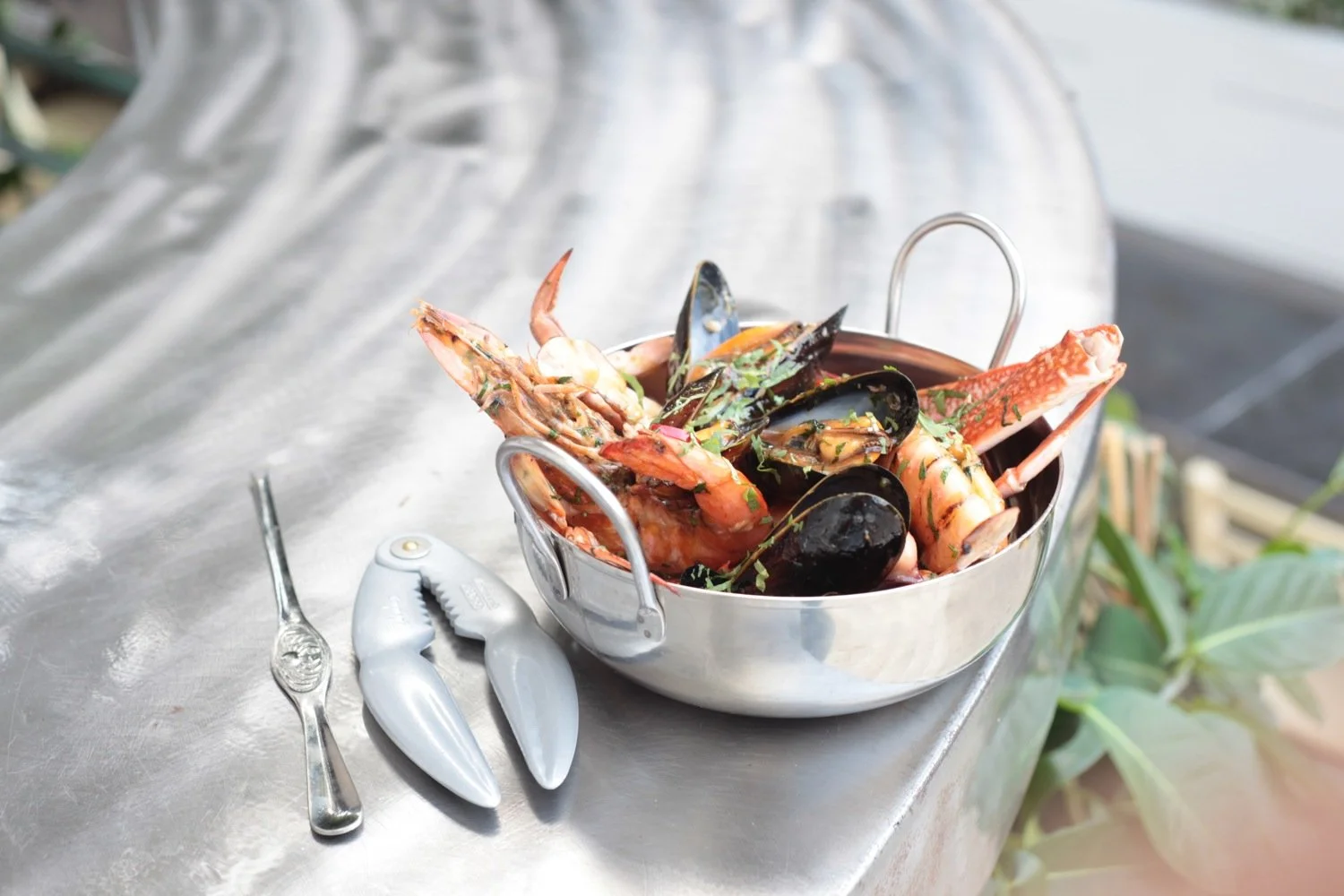
Lisbon’s soft Atlantic light makes natural-light photography especially effective. Restaurants with large windows, terraces, or coastal settings benefit from a lighter, more organic visual approach.
Natural light photography emphasizes:
texture
freshness
seasonal ingredients
warmth
simplicity
This style is commonly used by:
cafés
brunch spaces
bakeries
modern Mediterranean restaurants
health-conscious brands
The result feels approachable and modern while maintaining a premium aesthetic.
3. Dark and Atmospheric Dining Photography
Many Lisbon restaurants lean into intimate evening experiences. Low-light photography can create mood, sophistication, and exclusivity when handled carefully.
This approach highlights:
candlelight
shadows
wine presentation
chef interaction
architectural detail
It works especially well for:
cocktail bars
fine dining venues
tasting-menu concepts
luxury hospitality brands
Atmospheric imagery often increases engagement because it creates emotional curiosity and a sense of occasion.
4. Minimalist Scandinavian-Inspired Styling
Minimalist photography has become increasingly popular among contemporary Lisbon hospitality brands. Clean compositions, neutral palettes, and refined plating create a premium and design-forward visual identity.
This style suits:
boutique hotels
modern cafés
architectural restaurant interiors
design-conscious hospitality brands
Minimalist imagery performs well across websites, menus, and branding materials because it feels timeless and uncluttered.
5. Chef Portrait and Kitchen Storytelling
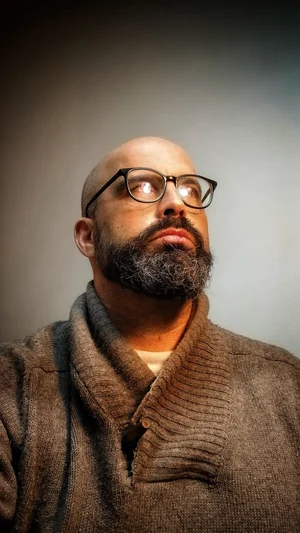
Today’s diners connect strongly with the people behind restaurants. Portrait photography of chefs, founders, and teams adds personality and trust to hospitality brands.
Strong chef portraits can be used for:
press coverage
websites
interviews
social media
marketing campaigns
Behind-the-scenes kitchen photography also reinforces craftsmanship and authenticity.
6. Interior and Architectural Restaurant Photography
Restaurant design has become part of the dining experience itself. Many customers now choose restaurants based partly on atmosphere and visual aesthetics.
Professional interior photography showcases:
layout
lighting
materials
seating experience
architectural identity
This is especially important for:
hotels
architect-designed restaurants
luxury dining spaces
destination venues
Wide-angle compositions combined with carefully controlled lighting help restaurants present themselves professionally across booking platforms and publications.
Choosing the Right Photography Style for Your Restaurant
The best restaurant photography style depends on:
target audience
cuisine
brand identity
interior design
marketing goals
A fine-dining restaurant may benefit from cinematic low-light imagery, while a modern café might perform better with bright natural-light photography.
The strongest hospitality brands usually combine multiple styles:
interiors
food close-ups
chef portraits
lifestyle moments
atmospheric details
This creates a complete visual story that works across websites, social media, PR, and booking platforms.
Restaurant Photography in Lisbon and Cascais
Lisbon offers a unique visual backdrop for restaurant photography:
historic architecture
Atlantic light
tiled interiors
coastal landscapes
vibrant culinary culture
Restaurants that invest in high-quality photography are often better positioned to attract both locals and international visitors in an increasingly competitive hospitality market.
Professional restaurant photography helps transform a dining experience into a recognizable brand identity — one that customers remember before and after their visit.
How Professional Photography Increases Restaurant Bookings
Why Restaurant Photography Matters More Than Ever
For most restaurants, the first interaction customers have with the brand happens online. Before reading reviews or viewing a menu, potential guests usually see photographs first.
Whether through Google, Instagram, booking platforms, or a restaurant website, photography heavily influences first impressions and booking decisions.
Professional restaurant photography helps businesses:
attract attention
build trust
communicate quality
increase reservations
strengthen brand identity
In competitive hospitality markets like Lisbon and Cascais, visual presentation often determines which restaurants stand out.
First Impressions Drive Booking Decisions
Customers make fast decisions when browsing restaurants online. Poor lighting, inconsistent imagery, or low-quality phone photos can reduce perceived quality immediately.
Professional photography creates:
consistency
visual confidence
emotional appeal
stronger brand perception
Restaurants with polished imagery tend to appear more established, premium, and trustworthy.
Photography Helps Customers Imagine the Experience
Successful restaurant photography goes beyond documenting food. It helps potential guests imagine:
the atmosphere
the mood
the social experience
the quality of service
This emotional connection plays a major role in reservation behavior.
Photography that captures:
warm lighting
real interaction
chef preparation
interior ambience
beautifully presented dishes
can increase customer interest significantly compared to generic or inconsistent visuals.
Better Photography Improves Website Conversion
Restaurant websites often lose bookings because they fail to create visual engagement quickly enough.
Professional photography can improve:
time spent on site
menu engagement
reservation clicks
inquiry submissions
mobile conversion rates
High-quality images also support stronger homepage design, cleaner branding, and more effective storytelling.
Google and Booking Platforms Favor Strong Visual Content
Platforms like:
Google Business Profile
Tripadvisor
TheFork
OpenTable
Instagram
reward restaurants with strong visual presentation.
Restaurants with professional photography often receive:
more profile engagement
higher click-through rates
stronger social sharing
improved customer trust
Updated visual content also signals that a restaurant is active and well-maintained.
Professional Food Photography Increases Perceived Value
Customers associate image quality with food quality. Carefully styled and professionally lit dishes appear:
fresher
more refined
more premium
more desirable
This can influence:
booking behavior
average spend
menu interest
social media sharing
Photography is especially important for tasting menus, cocktails, desserts, and signature dishes that drive customer curiosity.
Interior Photography Sells Atmosphere
Dining decisions are rarely based only on food. Customers also choose restaurants based on:
ambience
comfort
design
lighting
social experience
Interior photography helps showcase:
architectural identity
seating areas
terrace spaces
bar environments
private dining areas
This becomes particularly valuable for:
date-night venues
luxury restaurants
boutique hotels
event spaces
Consistent Photography Strengthens Brand Identity
Strong hospitality brands maintain visual consistency across:
websites
menus
social media
advertising
PR campaigns
Professional photography creates a recognizable visual language that helps restaurants appear more established and memorable.
Consistency also improves marketing efficiency because the same image library can support:
seasonal campaigns
press releases
paid advertising
influencer collaborations
email marketing
Social Media Performance Depends on Visual Quality
Restaurants rely heavily on Instagram and visual discovery platforms. High-quality photography increases:
engagement
shares
saves
reposts
influencer interest
Professionally photographed restaurants are also more likely to attract:
travel bloggers
food publications
tourism coverage
creator partnerships
Investing in Photography Is Investing in Marketing
Restaurant photography is not only about aesthetics. It is a long-term marketing asset that supports:
customer acquisition
online visibility
brand positioning
guest perception
In many cases, photography directly impacts revenue because stronger visuals increase the likelihood that potential customers choose one restaurant over another.
For restaurants in Lisbon, Cascais, and across Portugal, professional photography helps turn a dining space into a compelling visual brand experience.
Food Photography Tips for Hotel Marketing
Why Food Photography Matters for Hotels
Food and beverage experiences have become a major part of hotel branding. Guests increasingly choose hotels not only for rooms and location, but also for:
breakfast experiences
restaurants
rooftop bars
cocktails
room service
culinary identity
Professional food photography helps hotels communicate quality, atmosphere, and hospitality before guests arrive.
Strong imagery can support:
direct bookings
restaurant reservations
event inquiries
social media engagement
luxury positioning
Focus on Storytelling, Not Just Dishes
The most effective hotel food photography captures the full guest experience rather than isolated plates alone.
Instead of photographing only menu items, include:
table settings
interaction
cocktails being served
chefs preparing dishes
breakfast ambience
rooftop atmosphere
Lifestyle-oriented photography creates emotional connection and helps guests imagine themselves in the space.
Use Natural Light Whenever Possible
Natural light creates a cleaner and more inviting look for hospitality photography. Lisbon and coastal Portugal offer particularly strong conditions for soft daylight imagery.
Natural lighting helps emphasize:
texture
freshness
color
atmosphere
For breakfast and brunch photography especially, daylight creates a more premium and welcoming visual style.
Showcase Signature Dishes
Hotels should prioritize photography of:
signature dishes
chef specialties
cocktails
desserts
seasonal menus
These images become valuable assets across:
websites
booking platforms
social media
advertising campaigns
press features
Rather than photographing every item, focus on the dishes that best represent the hotel’s identity.
Photograph the Dining Environment
Food photography for hotels should always connect dishes to the larger hospitality experience.
Include:
interiors
terrace seating
ocean views
bar spaces
architectural elements
lighting details
Guests often choose hotel dining experiences based on atmosphere as much as cuisine.
Maintain Consistent Brand Style
Consistency is essential for luxury hospitality branding.
Hotels should maintain similar:
editing tones
lighting style
composition
color palette
visual mood
across all photography.
This creates a more recognizable and professional visual identity.
Capture Human Interaction
Hospitality is fundamentally about people and experience. Including guests and staff helps imagery feel authentic and emotionally engaging.
Useful moments include:
pouring wine
chef interaction
breakfast service
cocktail preparation
shared dining experiences
These details help hotel marketing feel less staged and more immersive.
Optimize Photography for Multiple Platforms
Hotel food photography should work across:
websites
Instagram
booking engines
press kits
digital advertising
email campaigns
A strong photography session should produce:
vertical formats
landscape formats
close-ups
wide environmental shots
social-media-ready content
Planning this in advance improves long-term marketing flexibility.
Invest in Seasonal Content
Hotels benefit from refreshing photography regularly to reflect:
seasonal menus
holiday events
rooftop openings
chef collaborations
summer terraces
Updated content signals activity and helps maintain engagement across marketing channels.
Professional Photography Supports Premium Positioning
Guests often associate image quality with overall hotel quality. Strong food photography reinforces:
attention to detail
luxury perception
service standards
culinary credibility
For boutique hotels, resorts, and hospitality brands in Lisbon and Cascais, professional food photography can become one of the most valuable marketing investments across digital channels.